Back to the journal
Living in Marylebone
What it is Actually Like to Live in Marylebone?
People move to Marylebone with an idea of what it will be like. Most of them find the reality is better than they expected, and different in ways they did not anticipate.
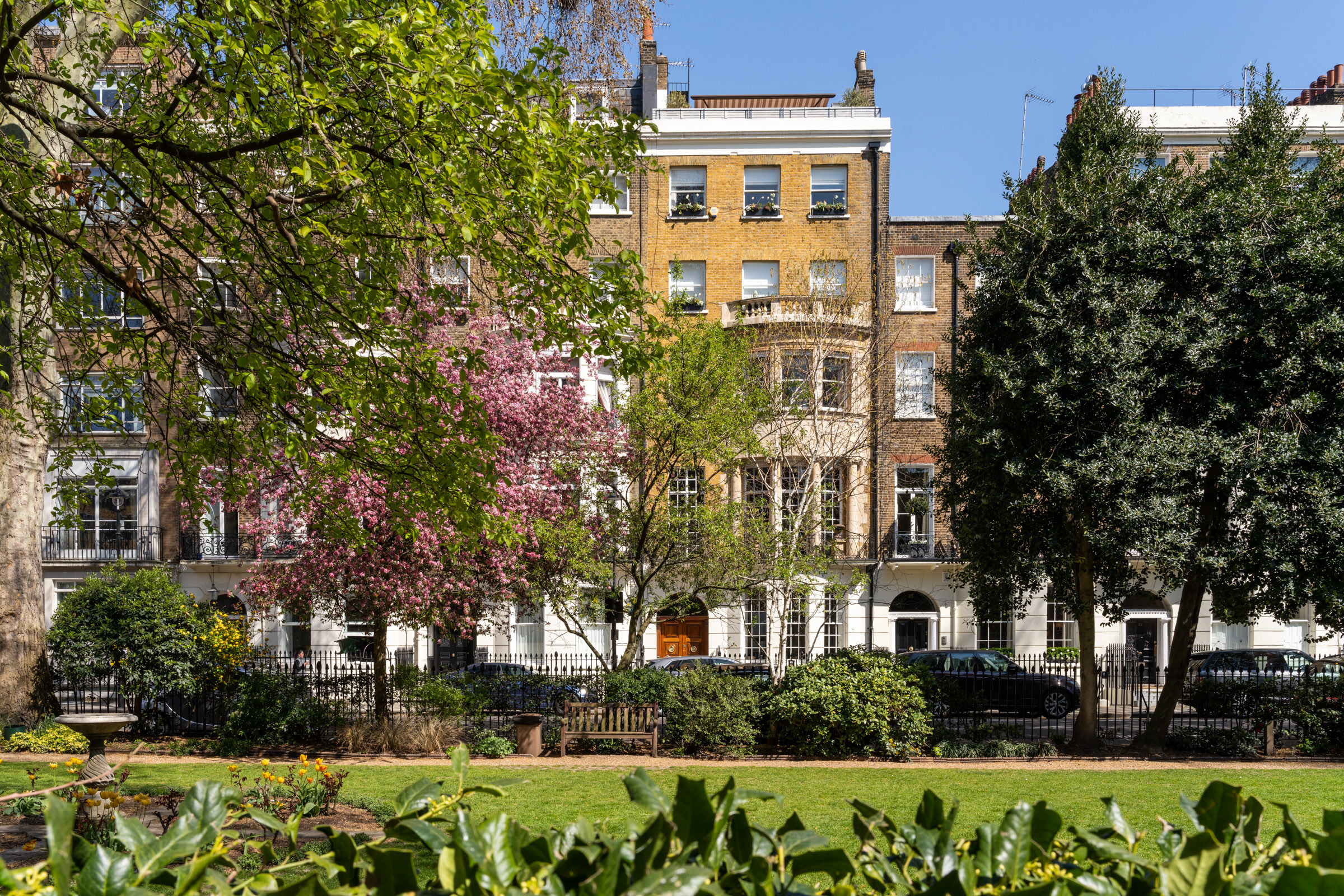
There is a version of Marylebone that exists in the imagination before you move here. It involves the High Street on a quiet morning, a coffee from one of the independents, Regent's Park at the end of the road, and a flat with high ceilings and the kind of proportions that central London rarely delivers. That version is not inaccurate. But it is incomplete.
The fuller picture is quieter, more particular and considerably more daily than the brochure version suggests. We have been helping people move to this corner of W1 since 1983. What follows is an honest account of what living here is actually like.
People come to Marylebone expecting a neighbourhood. They stay because they find a place that functions like one, in the middle of a city that rarely does.
01
The pace of it
Marylebone does not feel like central London in the way that Soho or Covent Garden does. The streets are quieter. The pavements are wider. There is very little of the constant bustle that characterises most of zone one. This is partly geographical, the neighbourhood sits in a pocket between Oxford Street to the south and the Marylebone Road to the north, with neither treating it as a destination rather than a route. It is also partly deliberate. The residents' association here has historically been active in resisting the kind of commercial change that erodes neighbourhood character.
The practical effect of this is that Marylebone moves at a different speed. You notice it most at weekends, when the rest of central London is either packed or deserted depending on the weather, and this neighbourhood sits in a different register entirely. The Sunday farmers market on Aybrook Street draws people from across the city, but it does not overwhelm the streets around it. The cafes fill up but do not spill out of control. There is a version of a busy Saturday here that still feels manageable.
02
The High Street and what it actually offers
Marylebone High Street is consistently cited as one of the best shopping streets in London. This reputation is justified, but it is worth being specific about what it means for daily life.
The practical infrastructure is genuinely good. There is a Waitrose. There is a pharmacy. There is a post office. The independent food shops, the baker, the butcher, the cheese shop, cover the things a supermarket does not. The independent restaurants and cafes are well above the central London average for quality relative to price. The bookshop has been there for decades and is a Marylebone institution.
What the High Street is not is a comprehensive retail offer. It is not the place to buy a suit or a television or a piece of flat-pack furniture. For those things you are on the Tube. But for the things you need on a Tuesday evening or a Sunday morning, Marylebone High Street functions in a way that most London neighbourhoods, even well-regarded ones, cannot match.
03
Green space, and how you use it
Regent's Park is the headline. It is large, well maintained, and on most residents' doorsteps. The reality of living next to Regent's Park is that you use it more than you expect to, and in a wider range of ways than you anticipate. Morning runs. Lunchtime walks. The open-air theatre in summer. The boating lake with children on weekends. The formal gardens in June, when the roses are at their peak.
Within the neighbourhood itself, the garden squares add a different kind of green space. Private, quieter, and more intimate than the park. For properties with access to one of the squares, the garden becomes an extension of the home in a way that is genuinely unusual for central London. The sound of it changes the experience of being inside the flat, even when you are not in the garden.
If you are weighing up Marylebone against other central London neighbourhoods and the availability of outdoor space is a factor, it is hard to find a comparable area that does as well across both the quality and accessibility of its parks and gardens.
04
Transport, and why it matters less than you think
Marylebone is exceptionally well connected. Baker Street gives you the Jubilee, Metropolitan, Hammersmith and City, Bakerloo and Circle lines. Bond Street is a short walk south (Elizabeth Line). Oxford Circus is reachable on foot. Marylebone mainline station runs services into the Home Counties and beyond.
What most residents report, however, is that they use public transport less than they did before they moved here. The neighbourhood's walkability is one of its underrated qualities. The distances between places are short, the streets are pleasant to walk through, and most errands can be completed on foot. For people who spent years on the Tube for every short journey in a less central location, this changes daily life in a material way.
05
The people and the community
Marylebone has a recognisable demographic without being homogeneous. There are long-term residents who have lived here for decades, often in the same building they moved into in their thirties or forties. There are families who came for the schools and the space and stayed because the neighbourhood kept delivering. There are professionals who moved for the convenience and found they valued something they had not expected.
The thing that surprises most new arrivals is how much they end up knowing their neighbours. This is partly the physical structure of the neighbourhood. Mansion blocks and period terraces create a different kind of proximity than newer developments. It is partly the garden squares, which put residents in a shared space without it being forced. It is partly the fact that the same shops and cafes become reference points that people share.
Marylebone is not a village. It is a central London neighbourhood with all the privacy and anonymity that implies. But it has more community structure than almost anywhere else at this address, and that tends to matter more to residents as time goes on.
06
What to expect from the buildings
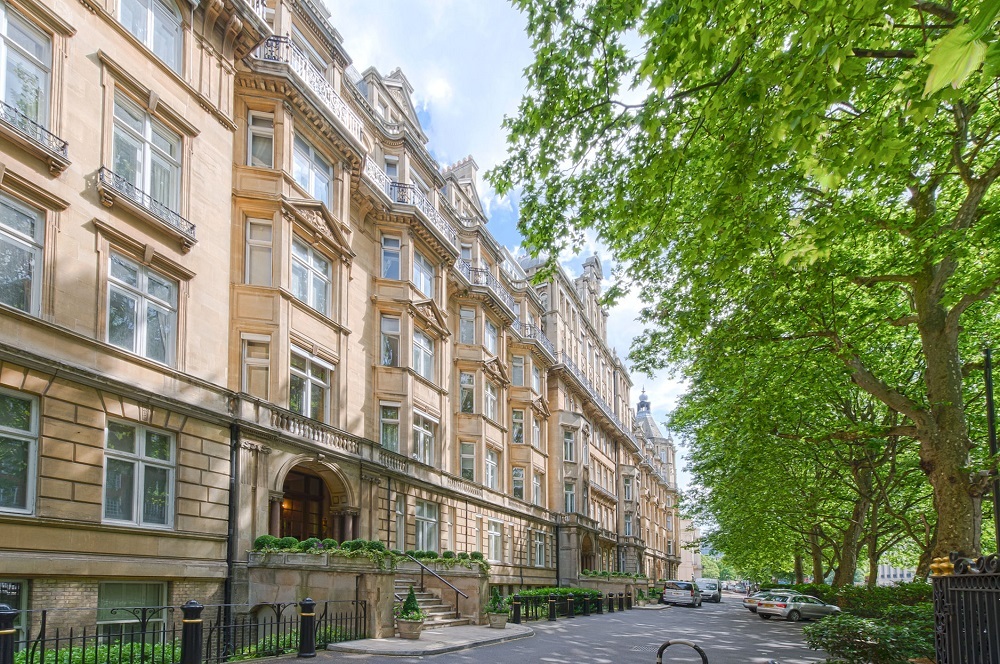
The housing stock in Marylebone is predominantly period. Mansion blocks built between the 1880s and the 1930s make up a large proportion of the rental and owner-occupier market. Georgian terraces account for much of the rest. There is very limited new-build residential development, which is one of the reasons the neighbourhood looks the way it does.
Living in a period building in this part of London comes with specific qualities that are worth understanding before you move:
- Ceiling heights in mansion blocks are typically generous, which makes rooms feel larger than their square footage suggests.
- Natural light varies considerably between floors and aspects. A viewing at midday in winter tells you very little. A viewing at the time of day you actually spend time at home tells you much more.
- Service charges in well-managed blocks cover maintenance to a standard that keeps buildings in good repair, but they are a real cost to factor into your budget.
- Period windows, in Listed buildings particularly, have restrictions on replacement. Double glazing is not always available, and street-facing rooms can be noisier than you might expect on paper.
None of these are reasons not to live in Marylebone. They are the texture of it. And for most people who move here, the texture is a significant part of what they came for.
If you are thinking about a move to Marylebone and would like to talk through what the neighbourhood might look like for your specific situation, we would be glad to help.
Keep reading
More from the blog

Brief History of Marylebone
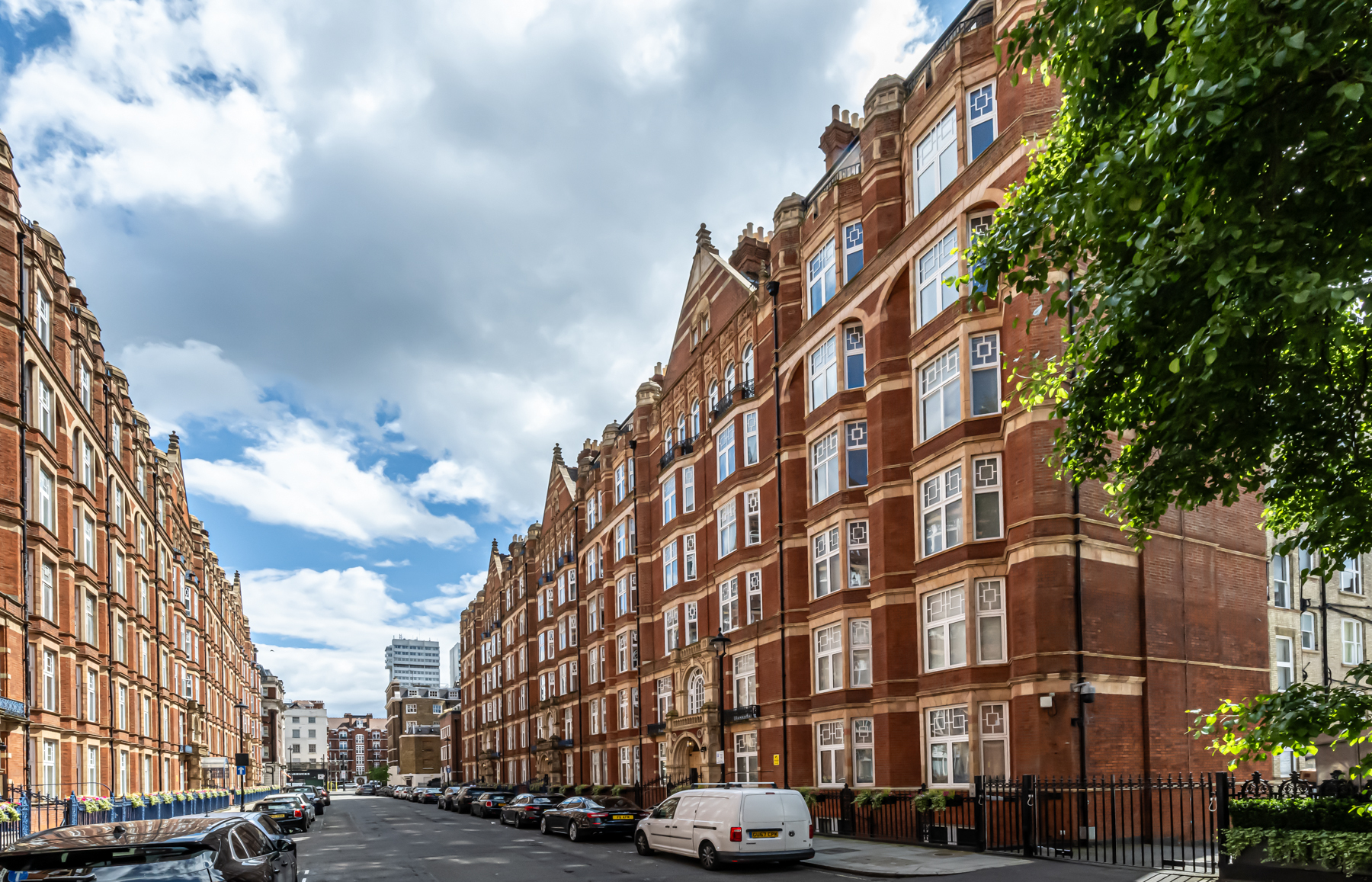
A Buyer's Guide to Marylebone's Mansion Blocks