Back to the journal
History
Brief History of Marylebone
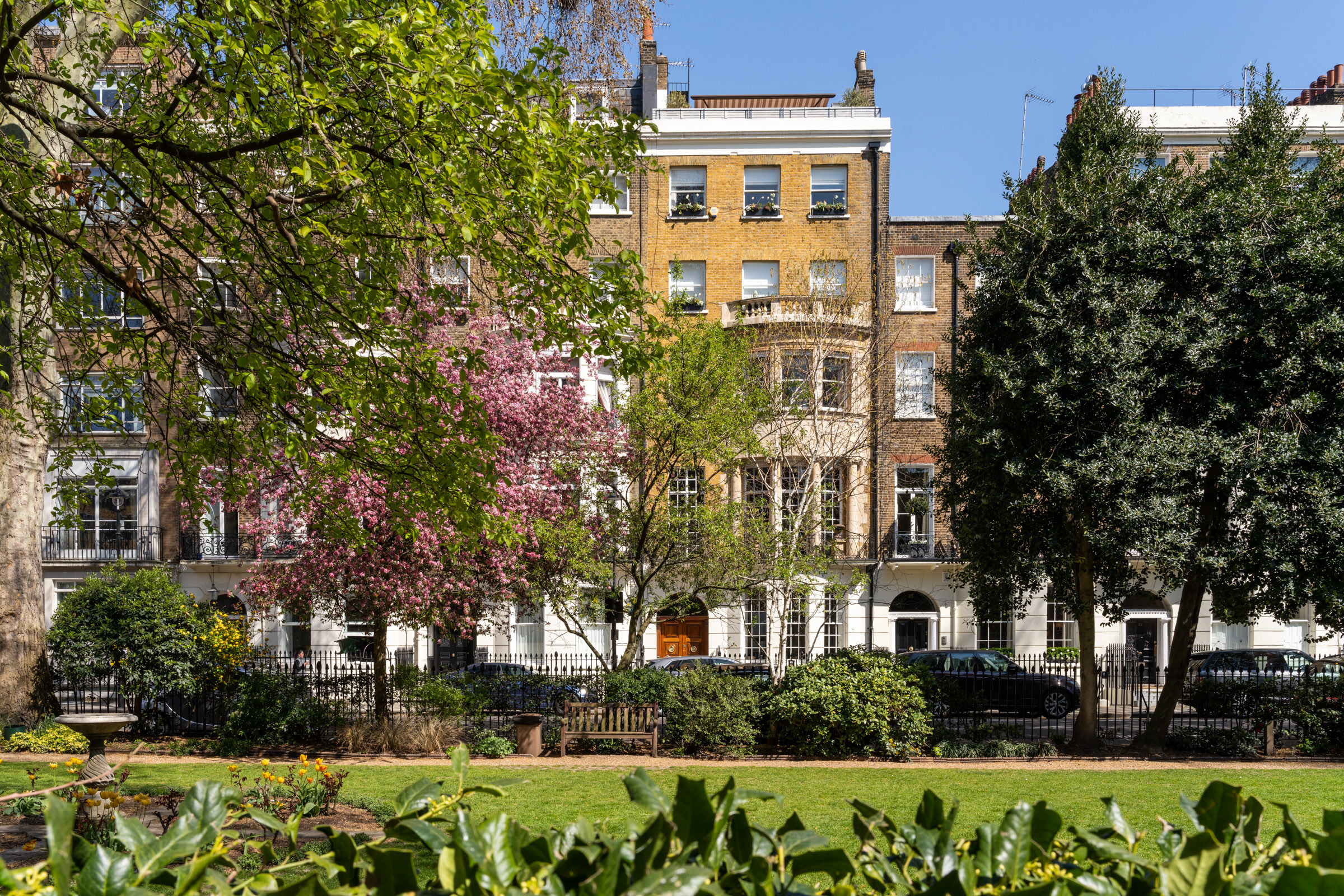
Long before its elegant terraces, garden squares and mansion blocks, Marylebone was a small rural parish on London's northern edge. Over three centuries, careful planning and considered architecture transformed it into one of the capital's most enduring neighbourhoods
Few parts of London have evolved as gracefully as Marylebone. Today it is known for its Georgian streets, independent boutiques and handsome mansion blocks, but its origins are surprisingly humble.
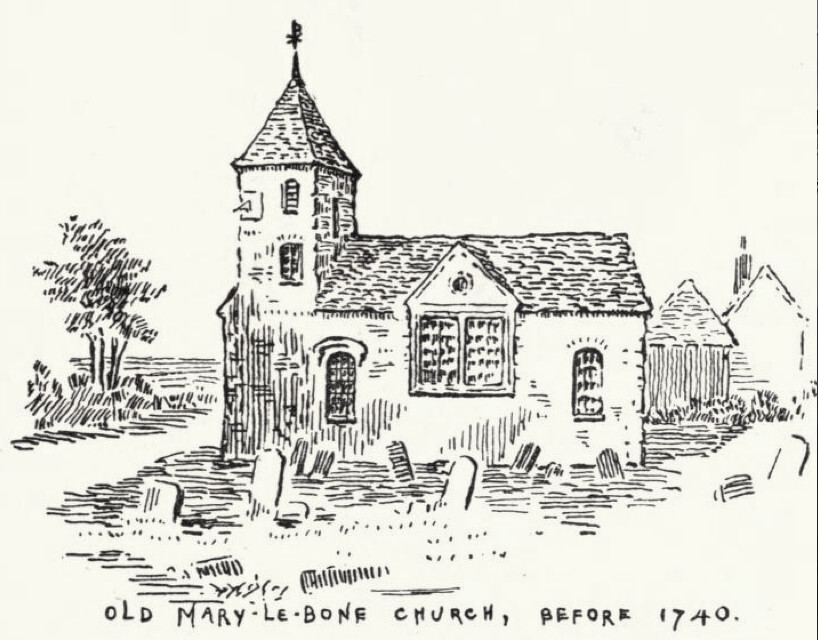
The name itself is thought to derive from St Mary-at-the-Bourne - a church dedicated to St Mary that stood beside a small stream, or bourne, which flowed through the area. Until the seventeenth century, Marylebone was largely countryside, a landscape of fields, farms and market gardens supplying produce to the rapidly growing City of London.
01
From country estate to Georgian London
The eighteenth century marked Marylebone's defining moment. Large tracts of land owned by aristocratic estates were gradually laid out as elegant residential streets rather than being developed piecemeal. This measured approach created the broad avenues, formal squares and terraces that continue to distinguish the neighbourhood today.
One landmark in this transformation was the opening of Marylebone Gardens, a fashionable pleasure garden that attracted London society with concerts, fireworks and public entertainments. Although long vanished, it reflected the area's growing reputation as a desirable place to live beyond the crowded streets of the City.
Nearby, the construction of Portland Place in the 1770s — one of London's grandest Georgian boulevards—linked Marylebone more closely with the West End, while the development of Cavendish Square and later Regent's Park established the area as one of the capital's premier residential districts.
Marylebone was never built in haste. Its enduring appeal comes from generations of thoughtful planning, long-term stewardship and architecture designed to improve with age.
02
The Victorian transformation
The nineteenth century brought another period of remarkable growth. The arrival of the railway at Marylebone Station in 1899 improved connections without overwhelming the character of the neighbourhood, while advances in engineering allowed developers to build the substantial red-brick mansion blocks that now define many of its streets.
Constructed between the 1880s and the First World War, these buildings offered a distinctly modern way of living for their time. Lifts, resident porters, generous ceiling heights and carefully planned apartments appealed to London's growing professional classes, combining the comfort of a private house with the convenience of central London living.
Many remain among the city's most sought-after addresses today.
03
A neighbourhood of medicine, literature and culture
Marylebone's influence extends well beyond its architecture. Harley Street became internationally recognised as a centre for private medicine during the nineteenth century, a reputation it still enjoys today. Baker Street entered literary history through Sherlock Holmes, while nearby Wigmore Hall established itself as one of the world's finest recital venues.
Throughout the twentieth century, independent shops, cafés and specialist retailers flourished alongside these institutions, helping preserve the village atmosphere that continues to distinguish Marylebone from many other parts of central London.
04
Stewardship through the centuries
Much of Marylebone's remarkable consistency can be traced to the great landed estates, particularly the Howard de Walden and Portman Estates. Rather than selling land outright, these estates retained ownership and managed development over generations, shaping everything from architecture and streetscapes to the mix of shops and restaurants found today.
This long-term approach has allowed the neighbourhood to evolve without losing its identity. Historic buildings have been adapted rather than replaced, new businesses have complemented established institutions, and the scale of the streets has remained reassuringly human.
05
Looking forward
Marylebone continues to change, but rarely at the expense of its past. Georgian terraces sit comfortably alongside Edwardian mansion blocks, independent cafés, century-old institutions, and carefully restored buildings find new purpose with each generation.
It is this balance—between history and modern life, grandeur and familiarity—that gives Marylebone its lasting appeal. More than simply a prestigious London postcode, it remains a neighbourhood shaped by centuries of thoughtful evolution, where the best of the past continues to inform the present. If you would like to be part of Marylebone's future, let us know!
Keep reading
More from the blog
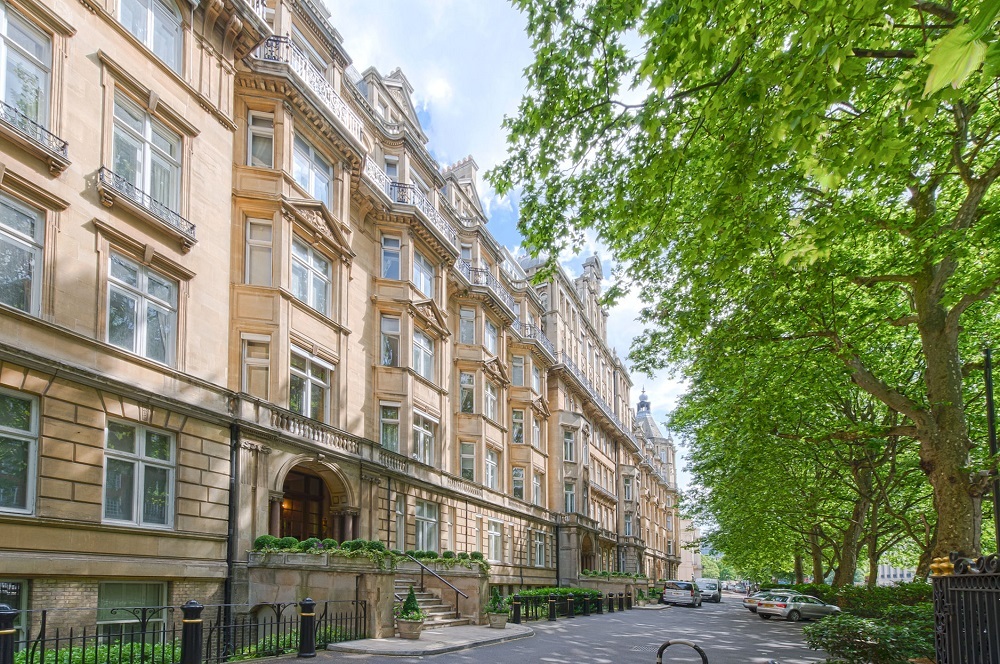
What it is Actually Like to Live in Marylebone?
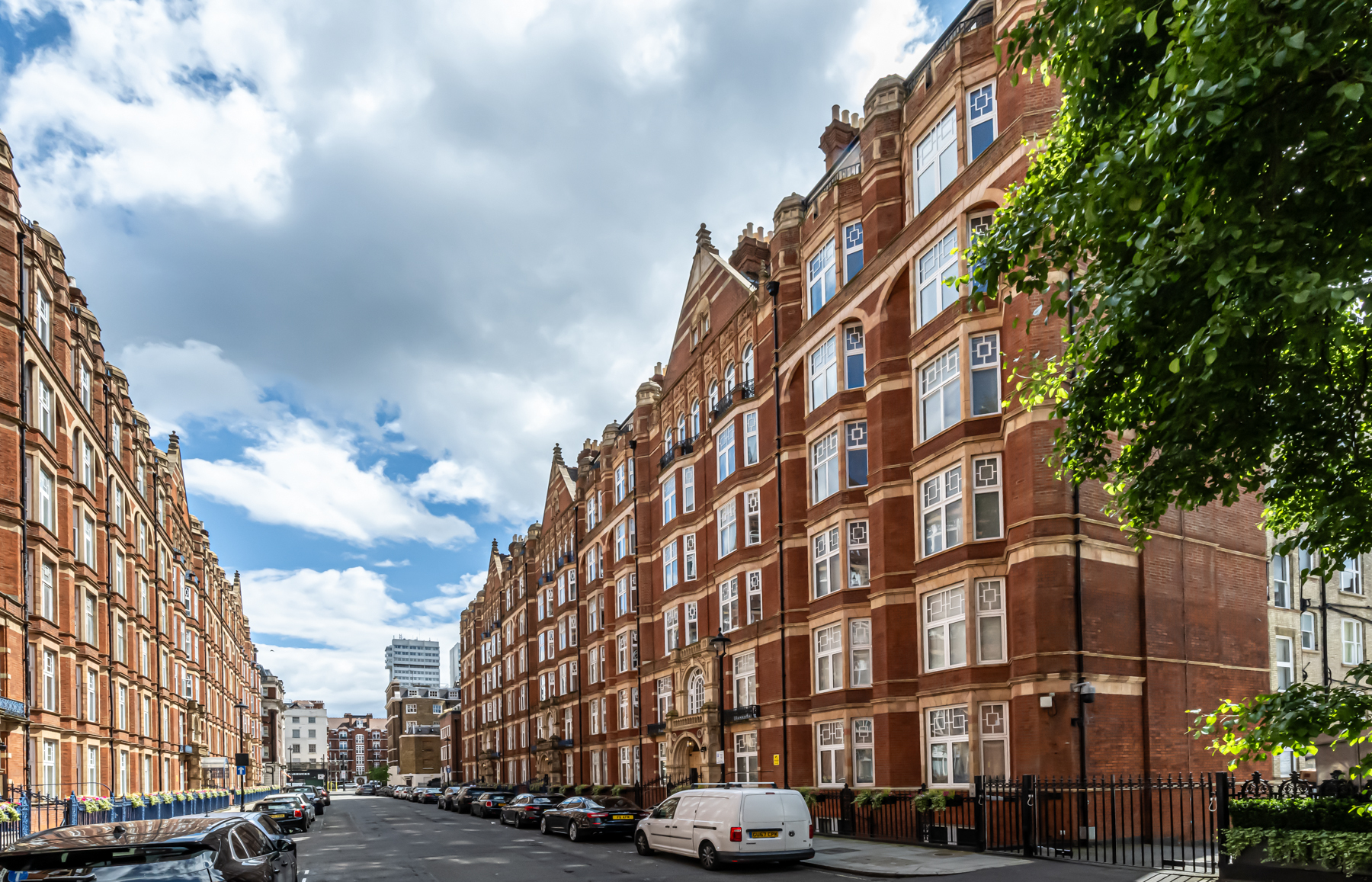
A Buyer's Guide to Marylebone's Mansion Blocks