Back to the journal
Renting
Renting in Marylebone: What You Should Know Before You Move
Marylebone attracts renters who want central London without the noise and relentlessness of it. But finding the right property here takes a different approach than most other parts of the city.
Marylebone is not a neighbourhood people stumble into. It is one they seek out, often after years of living elsewhere in London and reaching a particular conclusion about what they want from a place. They want proximity to the city but distance from the frenzy of it. They want streets that feel considered. They want somewhere that will still feel right in five years.
We have let properties across W1H and the surrounding streets for over forty years. The renters we work with are not all the same, but they tend to share a clear sense of what they are looking for. This guide is for anyone approaching Marylebone for the first time as a renter, and for those returning to the market after a period away.
Marylebone rewards people who understand it and act fast. The best properties don't stay on the market for long, register with us and we'll keep you up to date
01
Understanding the streets
Marylebone is not a single character. It is a collection of micro-locations that each carry their own feel, their own price point and their own practical considerations. The streets closest to Marylebone High Street offer immediate access to the village atmosphere the area is known for: independent shops, quality restaurants, and the weekly farmers market. These streets command the highest rents and see the most competition.
The streets west of Baker Street have a different quality. They are quieter, more residential, and the properties here tend to be larger in footprint. There are a number of schools in the immediate vicinity, therefor creating a slightly more community feel.
Further south, towards Oxford Street, the character shifts again. The proximity to this famous shopping street is an advantage for some, but the retail noise is a consideration for others. Understanding which part of Marylebone suits your daily life is the first question to answer before you start viewing.
02
What the market looks like
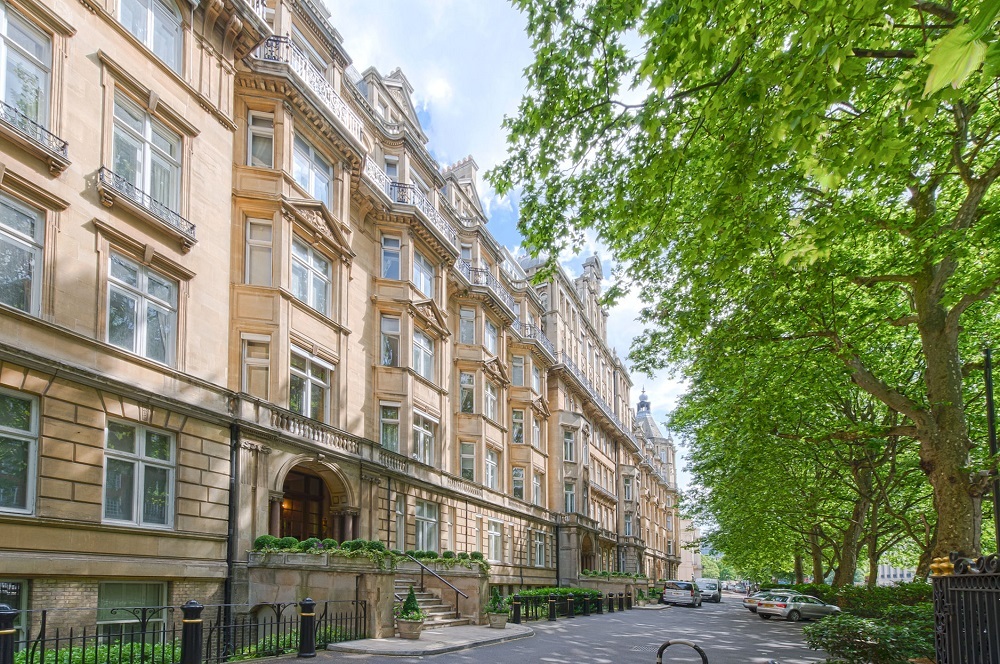
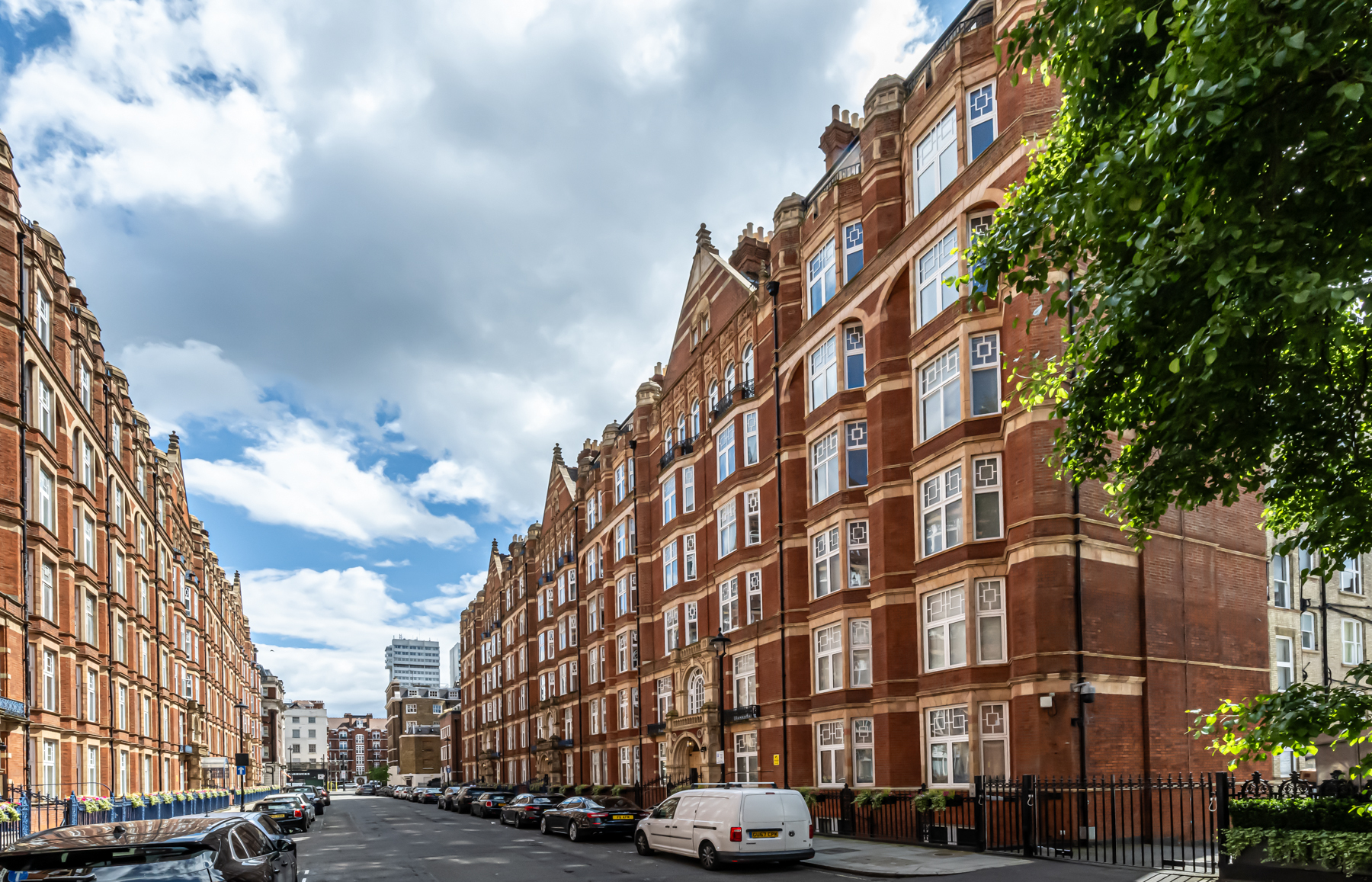
Marylebone is a genuinely supply-constrained market. The housing stock is predominantly made up of period mansion blocks, Georgian terraces and converted townhouses. Very little new residential development reaches the market here, which means well-presented properties at fair prices are taken quickly.
This has a practical implication for renters. Registering with an agent who knows the area well, and who is in contact with landlords before properties formally come to market, materially improves your chances of securing the property you want. If you are waiting for listings to appear on the major portals, you are often already behind.
Rental values in Marylebone have been consistent. The area holds its price across market cycles in a way that reflects genuine underlying demand. For renters this means budgeting accurately from the outset.
03
Period buildings and what to look for
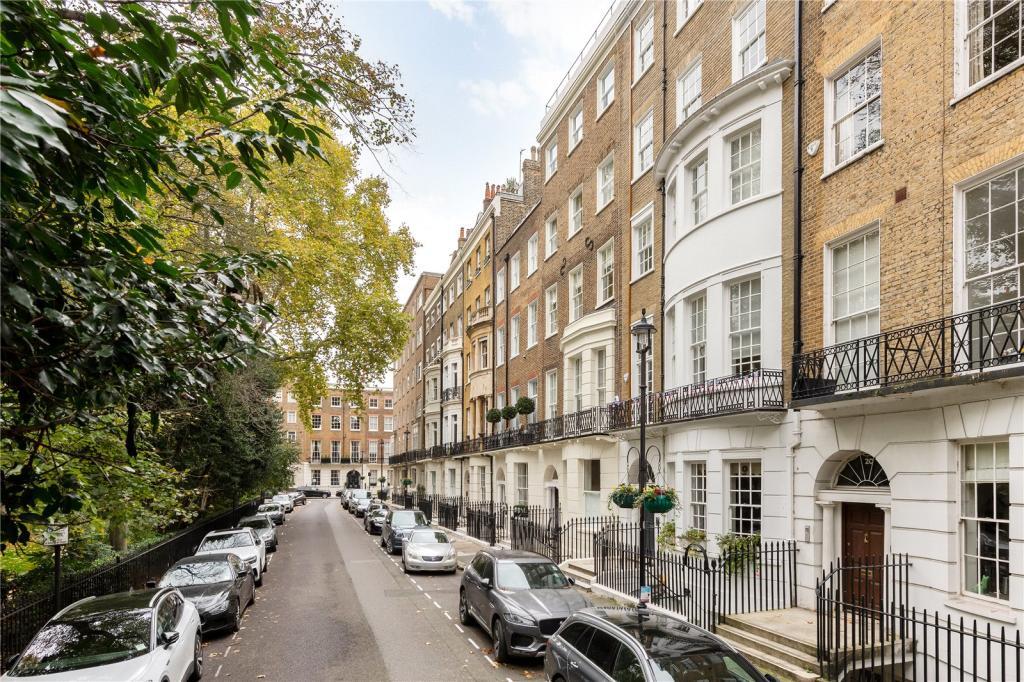
The majority of rental properties in Marylebone are housed in period buildings, many of which are Listed or within a Conservation Area. These buildings are the reason the neighbourhood looks the way it does, and they are genuinely appealing. They are also worth understanding before you commit.
The questions worth asking when viewing a period property in this area are:
- How is heating supplied, and what are the typical utility costs for this flat?
- Has the building recently had any major works, and are any scheduled?
- What is the building's approach to deliveries, bike storage and visitor access?
- Does it have a porter?
- Does the lease allow pets?
None of these should deter you. But they are the details that determine whether a beautiful flat is also a practical one.
04
Living in Marylebone day to day
The practical case for Marylebone is as strong as the aesthetic one. The area is exceptionally well served by transport, with Baker Street, Bond Street, Marble Arch, Paddington and Oxford Circus all within easy walking distance. Marylebone station provides mainline connections into the Home Counties. The High Street has every day-to-day need covered.
What the neighbourhood also offers, and what is harder to quantify, is a sense of continuity. The same independent businesses have operated here for years. The streets are maintained. There is a residents' association that takes the character of the area seriously. For renters who have grown tired of transient neighbourhoods that shift dramatically every few years, this consistency is part of what they are paying for.
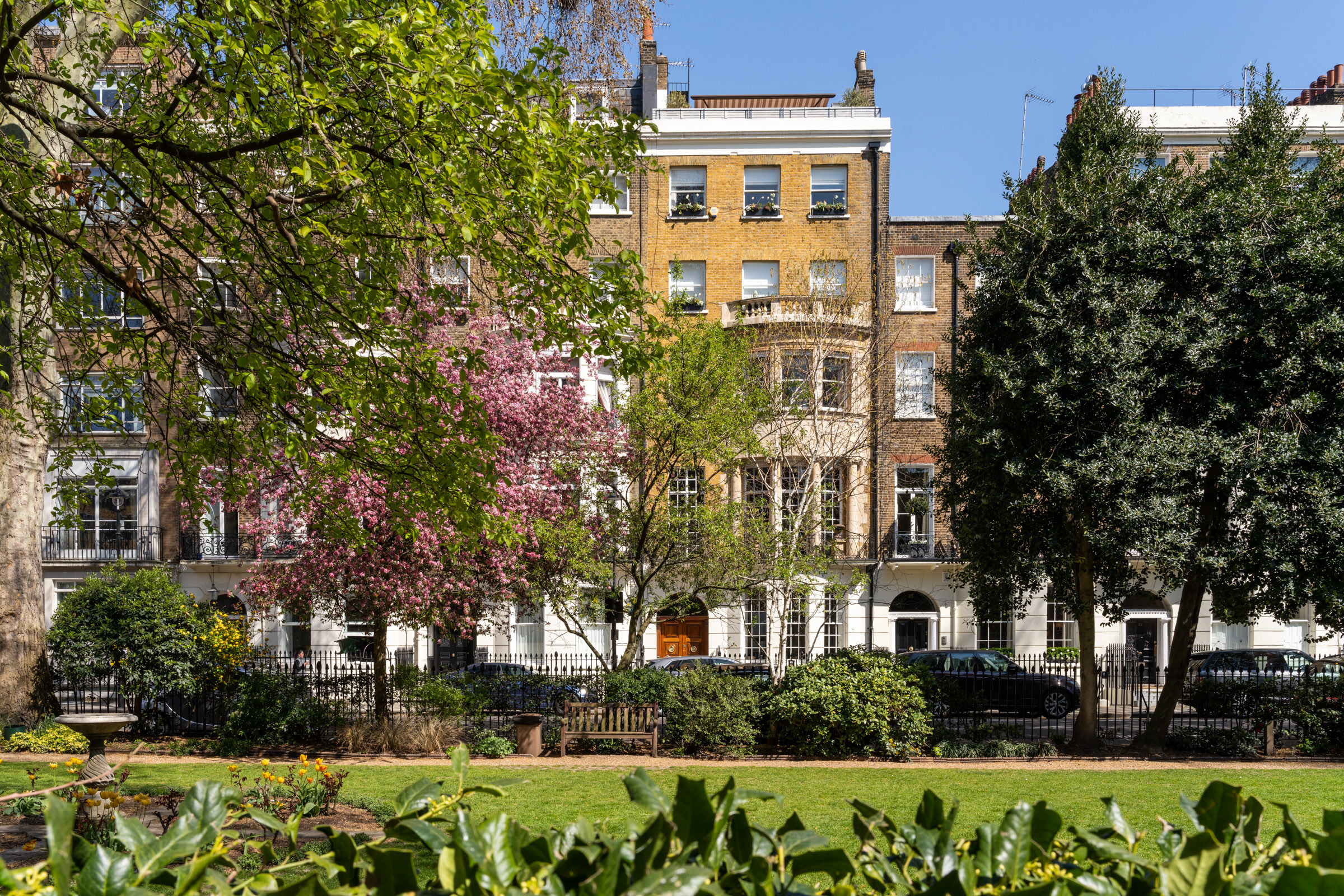
The green spaces are a further draw. Regent's Park is directly to the north. The garden squares within the neighbourhood provide private access for residents of surrounding properties. The sense that you can step outside and find somewhere genuinely calm within two minutes is, in central London, something close to rare.
05
What to expect from the process
If you are serious about renting in Marylebone, it is worth being organised before you start viewing. Having referencing documents prepared in advance, understanding your budget clearly and being ready to make a decision promptly will serve you well in a market that does not wait.
We work with a range of landlords across the area, some of whom come to us before their properties are advertised. If you know broadly what you are looking for, registering early and having a direct conversation with us about your requirements is the most effective approach.
If you would like to discuss availability in Marylebone or have a property in mind, get in touch.
Keep reading
More from the blog
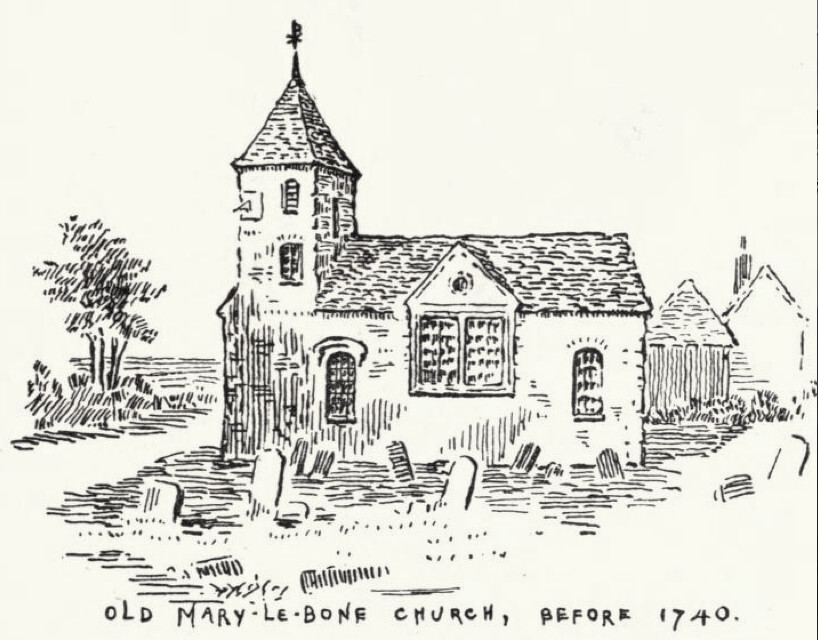
Brief History of Marylebone
A Buyer's Guide to Marylebone's Mansion Blocks