Back to the journal
Green Spaces
The Story Behind Marylebone's Garden Squares
Marylebone's garden squares are some of the neighbourhood's most distinctive and beautiful features, offering a glimpse into the area's fascinating past. From Georgian town planning and royal connections to famous residents including John Lennon, each square has its own story to tell.
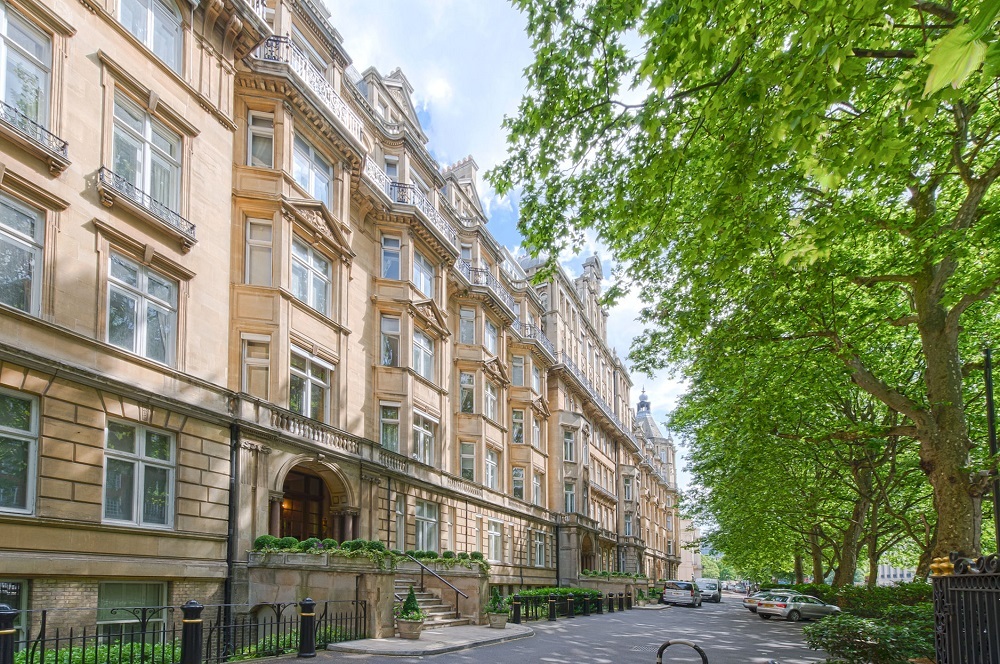
One of the things that makes Marylebone so distinctive is the number of beautiful garden squares hidden within its streets.
Today, they provide some of the most desirable addresses in central London, with mature trees, private gardens and elegant terraces creating a feeling of space and tranquillity. But these squares also tell the story of how Marylebone itself developed — from open countryside and royal hunting grounds into the fashionable residential neighbourhood we know today.
Many date from the Georgian and Regency periods, when the Portman Estate began transforming its land into a carefully planned network of streets, terraces and communal gardens.
And behind the elegant façades are some surprisingly colourful stories, from aristocrats and artists to writers, musicians and even the original home of Lord's Cricket Ground.
"The garden squares are such an important part of what makes Marylebone special. They give the area a sense of history and permanence, but they are also very much part of everyday life for residents today. Some of the houses have extraordinary stories attached to them, and I think that adds another dimension to living here."
01
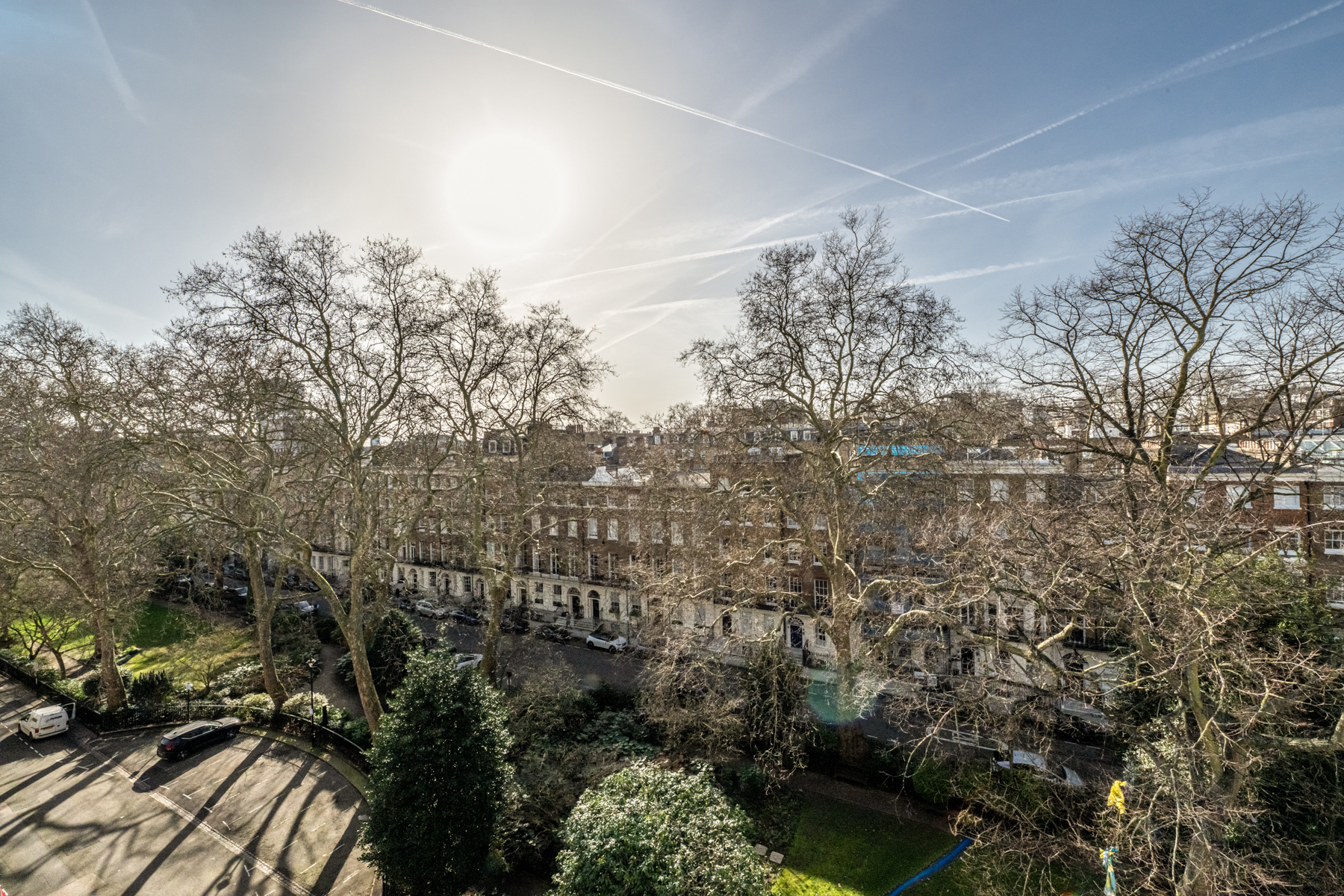
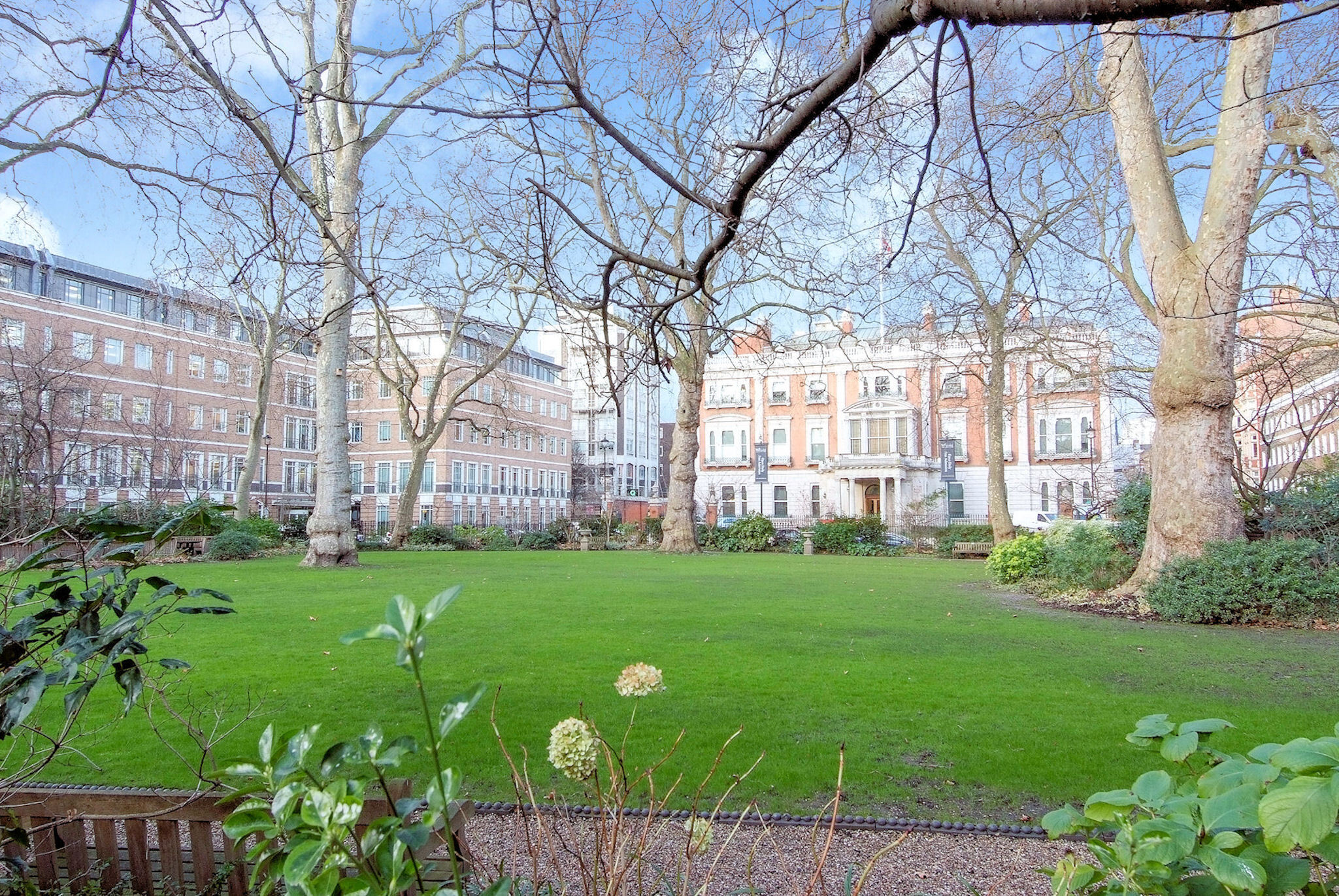
Manchester Square
Manchester Square is one of the oldest and most recognisable garden squares in Marylebone.
In the eighteenth century, when much of the surrounding area was still undeveloped, there had actually been proposals during the reign of Queen Anne to create a square here named after the Queen. Following her death the plan was abandoned and the land remained largely wasteland for more than fifty years.
Development finally began in the 1770s as part of the Portman Estate's expansion.
The fourth Duke of Manchester acquired much of the northern side and employed Robert Adam and other leading architects to develop the houses. The first house, Manchester House, was completed in 1776, while an Act of Parliament followed in 1784 to regulate the square and its garden.
The building now known as Hertford House stands at the centre of the square's northern side. Today it is home to The Wallace Collection, but its history stretches back to the eighteenth century.
The square has also attracted an impressive collection of residents over the years, including Admiral Sir Thomas Foley, the composer Julius Benedict and the neurologist John Hughlings Jackson.
What makes Manchester Square particularly special is how closely its present character resembles the vision of its original developers: elegant architecture surrounding a peaceful private garden, just minutes from the busiest parts of central London.
02
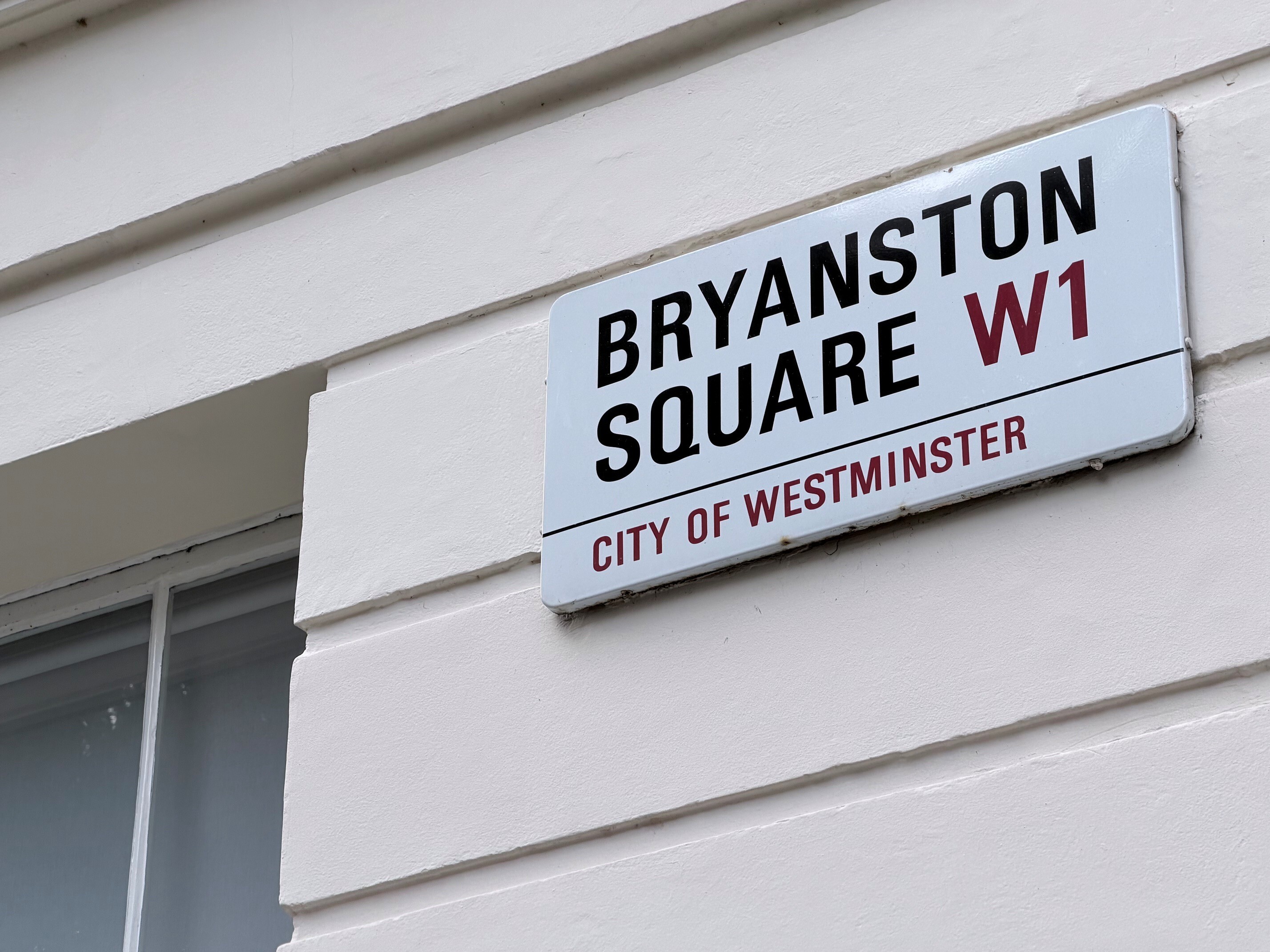
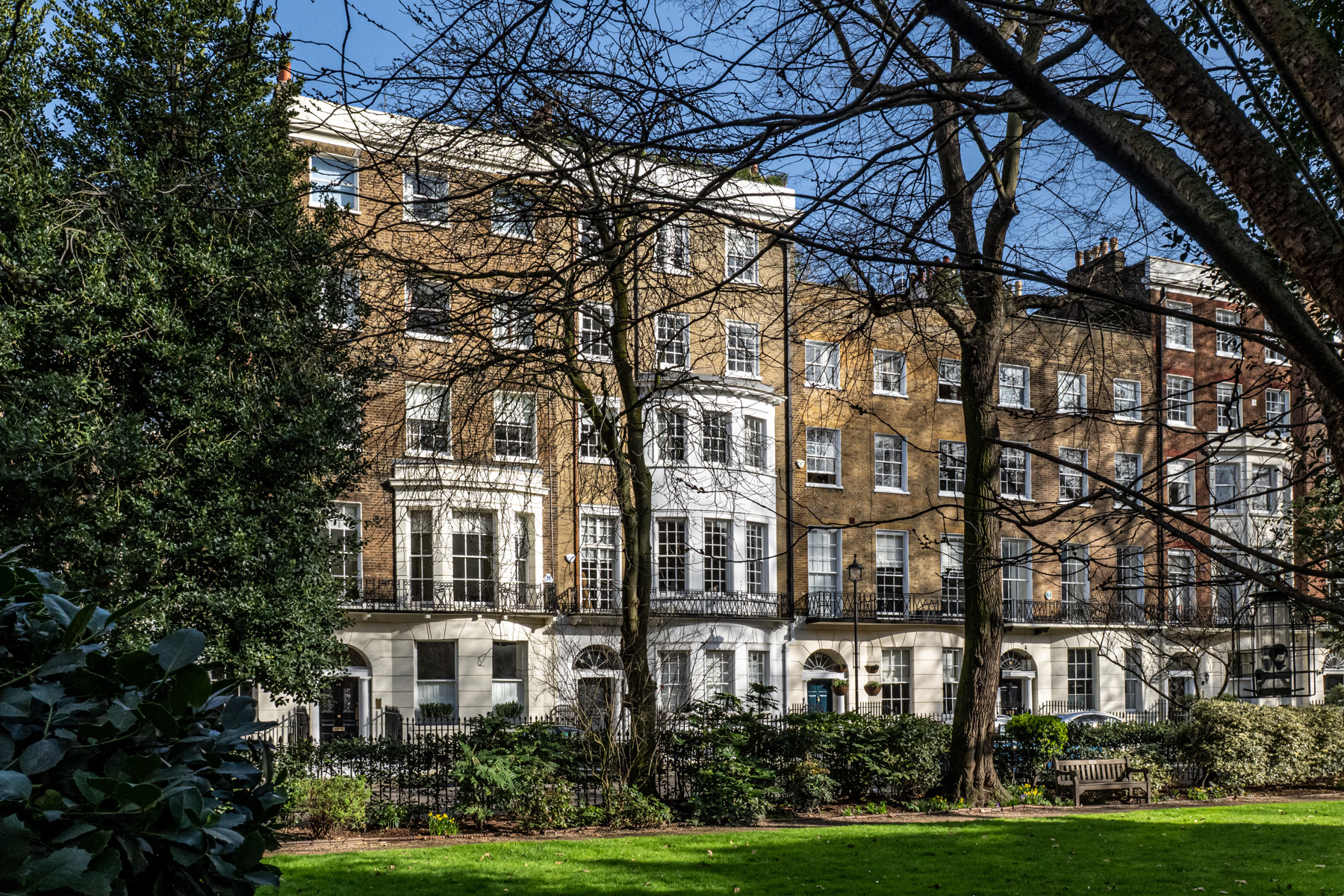
Bryanston Square
Bryanston Square was created considerably later than Manchester and Portman Squares, forming part of the next phase of the Portman Estate's development.
Construction began in the early nineteenth century, alongside Montagu Square, as the estate expanded northwards towards Marylebone Road.
The square takes its name from Bryanston in Dorset, the Portman family's country seat. The houses were designed as a unified architectural composition, with elegant Classical façades, prominent centrepieces and end pavilions giving the square a particularly formal appearance.
The square has also had its share of famous residents.
One notable former resident was George Shaw-Lefevre, later the 1st Baron Eversley, a politician and early conservationist who helped establish the Commons Preservation Society, an organisation involved in protecting some of London's most important open spaces.
Like many parts of Marylebone, Bryanston Square was affected by bombing during the Second World War, and several houses required extensive repair afterwards.
Its survival is part of what makes the square so appealing today.
The long terraces, mature garden and carefully preserved architectural character provide a remarkably complete picture of early nineteenth-century Marylebone.
03
Montagu Square
Montagu Square may be one of Marylebone's quieter garden squares, but it has perhaps the most colourful twentieth-century history.
The square was developed between around 1810 and 1815 as part of the Portman Estate's expansion. It was named after Elizabeth Montagu, the celebrated eighteenth-century writer, literary critic and patron of the arts who had lived nearby.
The architecture is characteristically Regency, with long terraces surrounding a central private garden.
But it is one particular address that has given Montagu Square a place in music history.
In 1968, John Lennon lived at number 34 with Yoko Ono. English Heritage installed a blue plaque at the property in 2010 to commemorate his time there.
The address had already attracted an interesting collection of artistic and literary figures. The novelist Anthony Trollope lived at number 39 in the nineteenth century, while the poet Ted Hughes also lived in the square during a period when he was separated from Sylvia Plath.
It is a wonderful example of how the history of Marylebone doesn't stop with its Georgian origins.
The same streets that were created for Regency London later became home to some of the most influential figures in twentieth-century British culture.
04
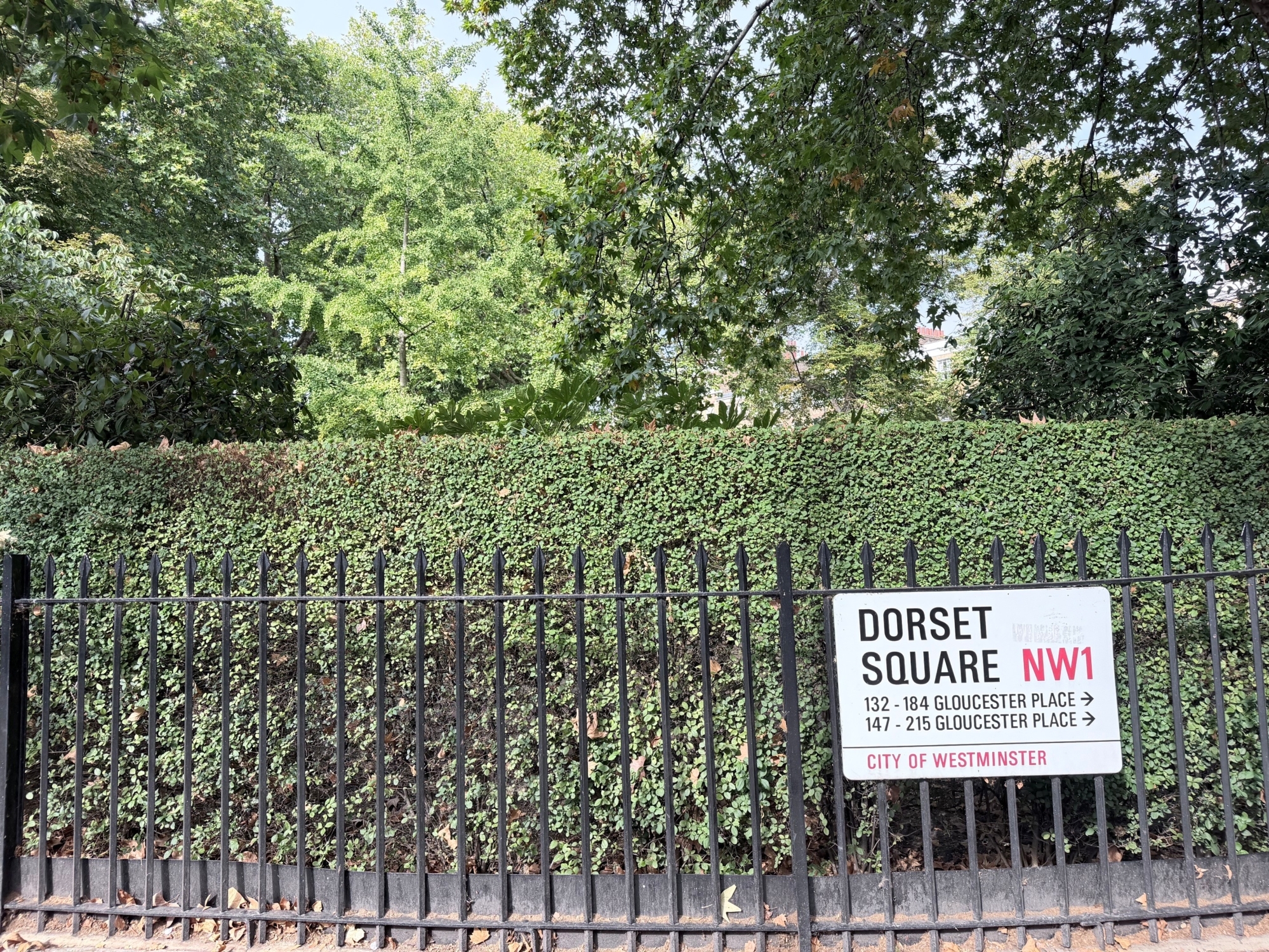
Dorset Square
Dorset Square has perhaps the most unusual story of all.
Before the houses and private garden were built, the land was an open field known as Dorset Fields.
In 1787, Thomas Lord leased part of the land and created a cricket ground. This became the first home of what would develop into Marylebone Cricket Club — and, in effect, the original Lord's Cricket Ground.
The cricket ground attracted large crowds and became an important part of London's sporting life before eventually closing in 1810. Lord subsequently moved his cricket ground to Lisson Grove and then to its present location.
The residential square followed shortly afterwards, with the first leases for houses being issued in 1809.
Its history continued to develop alongside the cultural life of London. Among its former residents were George Grossmith, co-author of The Diary of a Nobody, the novelist Dodie Smith, author of The Hundred and One Dalmatians, and Sir Laurence Gomme, an important figure in London's early preservation movement.
Today, Dorset Square is one of Marylebone's quieter corners.
It is difficult to imagine, looking across its peaceful central garden, that the same ground once hosted the beginnings of one of the world's most famous cricket institutions.
05
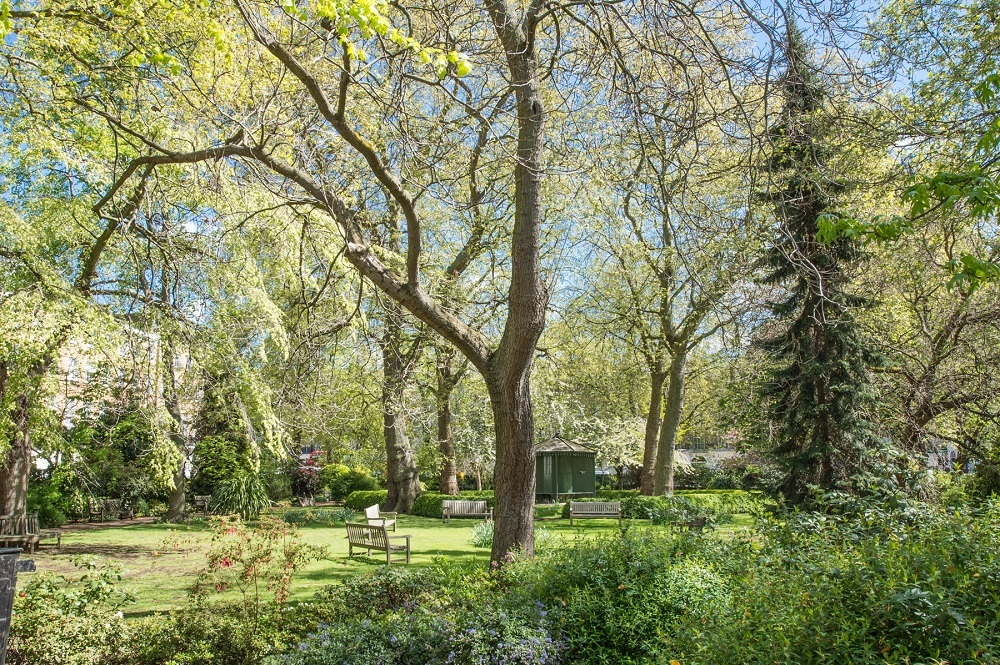
Portman Square
Portman Square is another of Marylebone's great Georgian addresses, and its history is closely tied to the Portman family whose estate shaped so much of the neighbourhood.
Work began around 1764, making it one of the earliest developments of the Portman Estate. The square was named after the family's ancestral estate at Orchard Portman in Somerset.
Among the buildings constructed there was Home House, designed by Robert Adam in the 1770s, alongside houses by James Adam and James Wyatt. The architecture reflected the aspirations of the wealthy residents the square was intended to attract.
The garden itself was formally established in 1780, when an Act of Parliament appointed trustees to oversee its regulation and upkeep.
Portman Square has seen considerable change since then. Some of its grandest houses were replaced by larger buildings during the twentieth century, while others were damaged or destroyed during the Second World War.
Yet the garden survived.
Today, its mature planting and distinctive oval shape remain a reminder of the eighteenth-century origins of this part of Marylebone.
Living among history
What makes Marylebone's garden squares so fascinating is that their history is still visible everywhere.
From the Georgian elegance of Manchester and Portman Squares to the literary and musical associations of Montagu Square, each has its own character and its own story to tell.
At York Estates, we've spent decades helping people find homes throughout Marylebone, and we believe that understanding the history of the area is an important part of understanding what makes it such a special place to live.
Keep reading
More from the blog
Brief History of Marylebone
A Buyer's Guide to Marylebone's Mansion Blocks