Back to the journal
History
Focus on: Regent's Park
Just a short walk from Marylebone High Street is one of London's most celebrated green spaces. Covering more than 400 acres, Regent's Park is far more than just a park – it has royal history, remarkable architecture, boating lakes, London Zoo, sports facilities, rose gardens and much more.
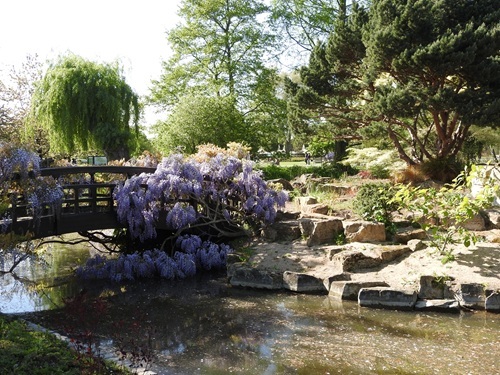
For many people considering a move to Marylebone, having Regent's Park on the doorstep is one of the area's greatest attractions. It offers a sense of space that feels increasingly rare in central London, while remaining surrounded by some of the city's finest homes, restaurants and cultural landmarks.
01
A ROYAL VISION OVER TWO CENTURIES IN THE MAKING
Although Regent's Park feels timeless, its origins date back to the early nineteenth century.
For hundreds of years the land formed part of the hunting grounds of Henry VIII after he acquired the Manor of Marylebone in 1538. Known as Marylebone Park, it remained a royal estate for centuries before plans emerged to transform it into something altogether grander.
In 1811, the celebrated architect John Nash was commissioned by the Prince Regent—who would later become King George IV—to design an elegant new park surrounded by magnificent villas and sweeping terraces. Nash envisioned a landscaped setting that would combine grand architecture with generous open space, creating a refined retreat on the edge of London's expanding West End.
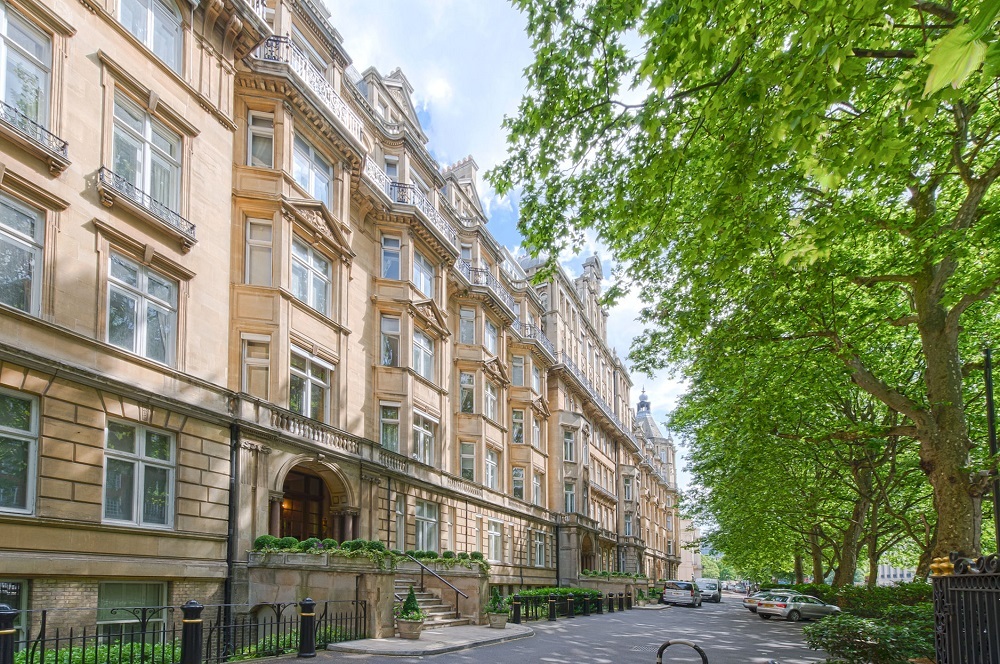
While only a fraction of his original villas were ultimately built, much of his wider vision survives today. The magnificent terraces that frame the park remain among London's finest examples of Regency architecture and continue to define its distinctive character.
02
HOME TO ONE OF LONDON'S FINEST ROSE GARDENS
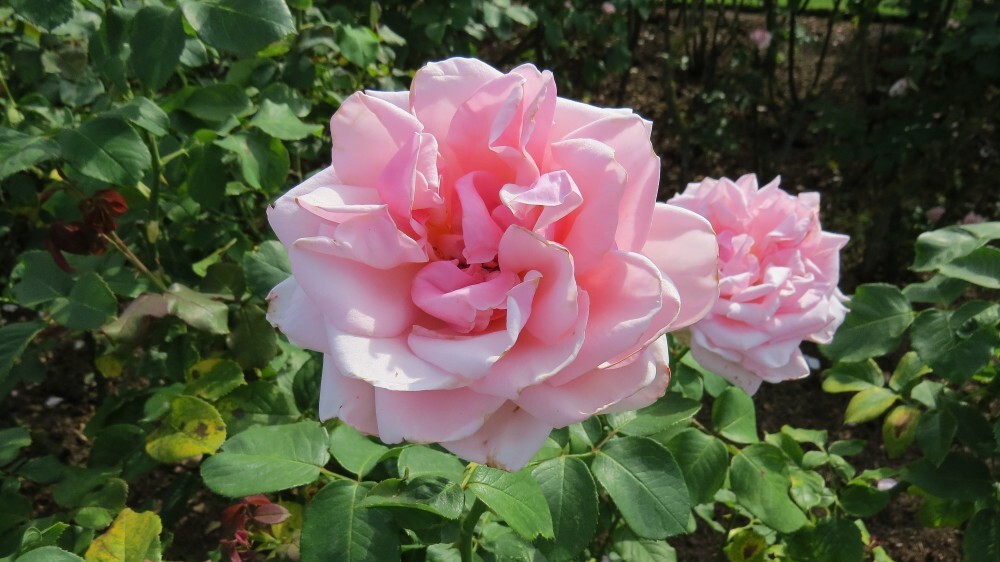
Perhaps the park's most famous feature is Queen Mary's Gardens.
Opened in the 1930s and named after the wife of King George V, the gardens contain more than 12,000 roses representing hundreds of different varieties. During late spring and early summer, they become one of London's most colourful displays, attracting visitors from across the world.
Beautifully maintained borders, ornamental planting and peaceful pathways make this one of the park's most photographed locations.
Even outside the rose season, the gardens remain a quiet place to sit, read or simply enjoy the surroundings.
03
MORE THAN JUST GREEN SPACE
Regent's Park has long been a centre for recreation and culture.
The park is home to the world-famous Open Air Theatre, where audiences have enjoyed performances since 1932. Nearby, London Zoo has welcomed visitors for almost two centuries and remains one of the city's best-loved attractions.
The Hub is London's largest and most popular outdoor sports facility and offers grass pitches for football, rugby and lacrosse over winter and cricket, softball, rounders and touch rugby in summer.
There are also eight cafes and restaurants to chose from - whether you're after a cake and coffee or something more substantial. You can find a list here.
Its scale means that even on busy days it is easy to find a peaceful corner.
04
THE VALUE OF LIVING NEARBY
For those fortunate enough to live in Marylebone, Regent's Park quickly becomes more than somewhere to visit.
Morning walks, weekend runs, outdoor exercise classes and leisurely afternoons with friends become part of everyday routine. Having such an extraordinary landscape within walking distance is one of the reasons Marylebone continues to attract buyers from across London and around the world.
It is a quality of life that cannot easily be replicated elsewhere in central London.
05
IN SUMMARY
Regent's Park is one of the many reasons Marylebone remains one of London's most desirable neighbourhoods. It offers residents an exceptional balance of elegance, open space and rich history, all within moments of the West End.
At York Estates, we've spent decades helping people find homes in and around Marylebone. We know that choosing where to live is about far more than the property itself—it's about becoming part of a neighbourhood whose parks, architecture and heritage make every day a little more rewarding.
Keep reading
More from the blog
Brief History of Marylebone
What it is Actually Like to Live in Marylebone?